


At the LatAm Partnership Summit held during Mipcom, the research firm projected that the region’s media and entertainment market will reach $62 billion this year. Organized by MIP Cancun, the event brought together approximately 150 industry professionals and previewed the market’s upcoming edition, with brands taking on a greater role as strategic partners.
*with reporting by Carolina Mussio and Ana Paula Carreira from Cannes, France.
Latin America’s media and entertainment industry is expected to generate $62 billion in revenue in 2026, representing 15.4% growth compared to the previous year, according to new Omdia projections presented on Monday at the LatAm Partnership Summit Powered by MIP CANCUN, held during Mipcom Cannes.
The findings were presented by María Rúa Aguete, Head of Media and Entertainment at Omdia, who highlighted the region’s growth potential, particularly in streaming and advertising-supported business models.
According to the research firm, online video will generate $35 billion in Latin America this year, compared to $16 billion from traditional television. Other major segments include gaming, at $5.9 billion, music at $3 billion, and cinema at $1.8 billion.
“Latin America is one of the most exciting growth opportunities in global media and entertainment,” said Rúa Aguete. “The region is growing by 15.4% this year, but what makes it particularly interesting is that television remains incredibly popular while streaming still has significant room to expand.”
Omdia forecasts that online video subscriptions will reach 190.7 million in 2026, rising to 208.7 million in 2027 and exceeding 243.5 million by 2031.
Netflix remains the region’s largest individual streaming subscription platform, with 63.8 million subscriptions projected for this year and 73.7 million by 2031. The company is also expected to capture nearly half of Latin America’s online video subscription revenues in 2026.
However, streaming expansion still faces significant structural challenges. According to Omdia, television penetration stood at 91% across Latin America in 2025, compared to 35% for SVOD services and 53% for broadband.
“Latin America does not have a television problem. It has a connectivity challenge,” Rúa Aguete said. “The next phase of growth will depend on making streaming more accessible, affordable and relevant to consumers.”
MIP Cancun Previews Its Focus on Brands and New Business Models
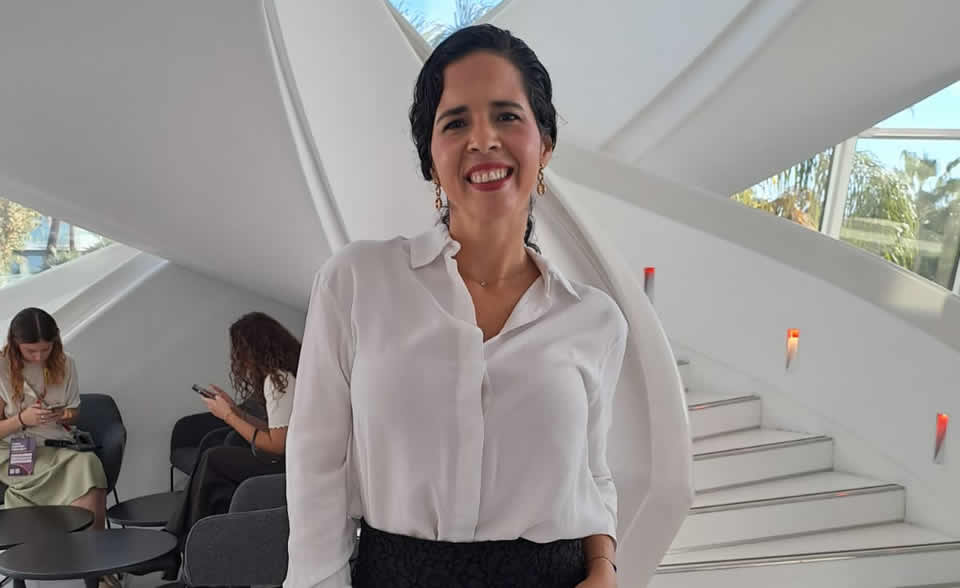
The summit attracted approximately 150 industry professionals, according to María Pérez Bellière, Director of MIP Cancun, who spoke with ttv during the event. The gathering brought to Cannes the curated roundtables and strategic matchmaking sessions that have become hallmarks of the Latin American market.
“We are here today to offer a taste of what we do best at MIP Cancun: curating roundtables and matchmaking opportunities with industry experts,” Pérez Bellière said. “It’s incredible to see the interest Latin America is generating and the region’s potential, especially with all the changes surrounding vertical content, the creator economy and digital platforms.”
The event brought together international executives to discuss the attention economy, IP development, new monetization models and opportunities for collaboration between Latin America and the rest of the world.
“We’re extremely happy because this is a preview of what we offer at MIP Cancun. We’ve welcomed around 150 people, which is an impressive number for an event where we’re bringing our know-how and the right connections to help participants start doing business with Latin America, from Cannes,” she added.
Looking ahead to its next edition, taking place November 17–20 at the Moon Palace in Cancun, Mexico, the market will continue offering one-to-one meetings, roundtables and its Co-Production Bootcamp, while introducing BrandStory Hub, a new initiative designed to connect brands, agencies, producers and platforms around content development and financing.
Its program includes BrandFront: What Brands Want Next, a reverse upfront session where brands will share the audiences, stories and commercial opportunities they are seeking, as well as collaborative meetings between brands and creators within the co-production program. Scheduled for November 18–20, the initiative has already announced the participation of companies including Adidas, PepsiCo, Heineken, Grupo Tova, OCESA Seitrack and Samsung Ads.
“We want to work with brands not only as IP financiers, but especially as strategic partners. It’s about building closer collaboration in IP development and understanding what brands are really looking for,” Pérez Bellière explained.
The executive also emphasized the importance of expanding the traditional ecosystem of buyers, producers and distributors as the industry faces increasingly challenging financing conditions. “With everything the industry is going through, we’re all finding it difficult to secure budgets. We believe bringing new audiences, new partners and decision-makers into the market is essential. We need to create an environment where they feel comfortable discussing ideas and exploring ways to collaborate,” she concluded.