

Evolving technologies, changes in consumer habits; and the demand for safe, inclusive, and educational shows, are redefining the children’s content industry. In the following report, ttvnews compiles different views from producers, distributors, and content creators, who analyze the trends shaping the present and future of the market.
The children’s content industry is undergoing a period of profound transformation, driven by changes in consumer habits, technological advances, and the demand from families seeking entertainment with added value for their children. The sector is undergoing a dynamic process where innovation, interactivity, education, and cultural representation are becoming fundamental pillars for connecting with today’s younger viewers.
In the following report, ttvnews presents diverse outlooks from key industry players -producers, distributors, creative directors, and content creators- to showcase a broad and representative snapshot of where the market is headed, exploring the concerns, opportunities, and challenges shaping the current agenda.
Up next, we outline the main trends that have marked 2025 in the world of children’s content: from the consolidation of edutainment to the growing demand for inclusion and diversity, the rise of interactive formats, the impact of artificial intelligence, and the power of major IPs.
ENTERTAINMENT WITH ADDED VALUE: EDUTAINMENT
The shared desire from parents around the world for their children’s screen time to be enriching and not just a distraction, has given rise to the biggest trend in kids’ content today: edutainment.
“The children’s content industry continues to evolve toward a more meaningful and purposeful offering,” explains Edgar Spielmann, CEO and co-founder of 2BeNamed. “The main trend is content that, in addition to entertaining, provides a differentiating value, fostering curiosity, promoting positive values, or encouraging exploration and responsibility for the world around them.”
“Children’s content has evolved beyond pure entertainment,” adds Marijo Arnaiz, Senior Sales Manager at Toonz Media Group. “Edutainment is gaining ground as a powerful means of imparting knowledge in innovative ways, and parents are embracing these modern approaches instead of conventional learning methods.”
“Today’s parents are more involved than ever,” share Roberto Mitrani and Xavi Mas, co-founders of Liquid Rock Entertainment. “They want content they can trust, and that’s a key factor for success. It must be entertaining and developmentally relevant.”

Bibopalula – Digitoonz Spain
In response to this demand, groups like Gookapi have developed products that promote “universal values and sustainable development,” creating a “safe space where parents can trust to find violence-free, green, and inclusive content,” explained Marianella Gomis, Director of Project Development and Acquisitions; or El Reino Infantil, whose songs in English and Spanish help Latino audiences maintain their language, “and help English-speaking parents know that their children can learn Spanish easily,” emphasized Kuky Pumar, the group’s executive director.
This evolution has led children’s content to take on a new dimension, where “its ability to educate, include, and emotionally connect with the little ones is now valued,” says Tony Albert, CEO of Motion Pictures, and generating “a growing need for younger preschool content,” as predicted by Alex Sherwood, CEO and Director of Development at Giant Animation.
“We’re seeing a boom in edutainment and inclusive storytelling,” summarizes Johannes Gropp, founder and CEO of StoryZoo, touching on another one of the major trends shaping the current state of children’s content.
INCLUSIVE CONTENT FOR A DIVERSE WORLD
Because when it comes to education, lessons go well beyond the school curriculum, into content that imparts values and reflects an increasingly heterogeneous and multicultural society.
“Inclusion is increasingly important. Children need to see a representation of themselves and how they experience the world,” explains Marylou Thistleton-Smith, CEO of TVG, emphasizing the need to present diverse characters, as Manoj Mishra, CEO and managing director of Powerkids, also says: “Character diversification is a key trend, with a focus on representing different backgrounds, abilities, and cultures. This shift is driven by the demand for more inclusive and relatable content.”
“In 2025, we are seeing several key trends, such as the increase in diverse characters in leading roles,” adds Maggie Salas-Amaro Castellon, Director of Kids at Canela Media, as “there is a growing demand for content that promotes diversity, inclusion, and education.”
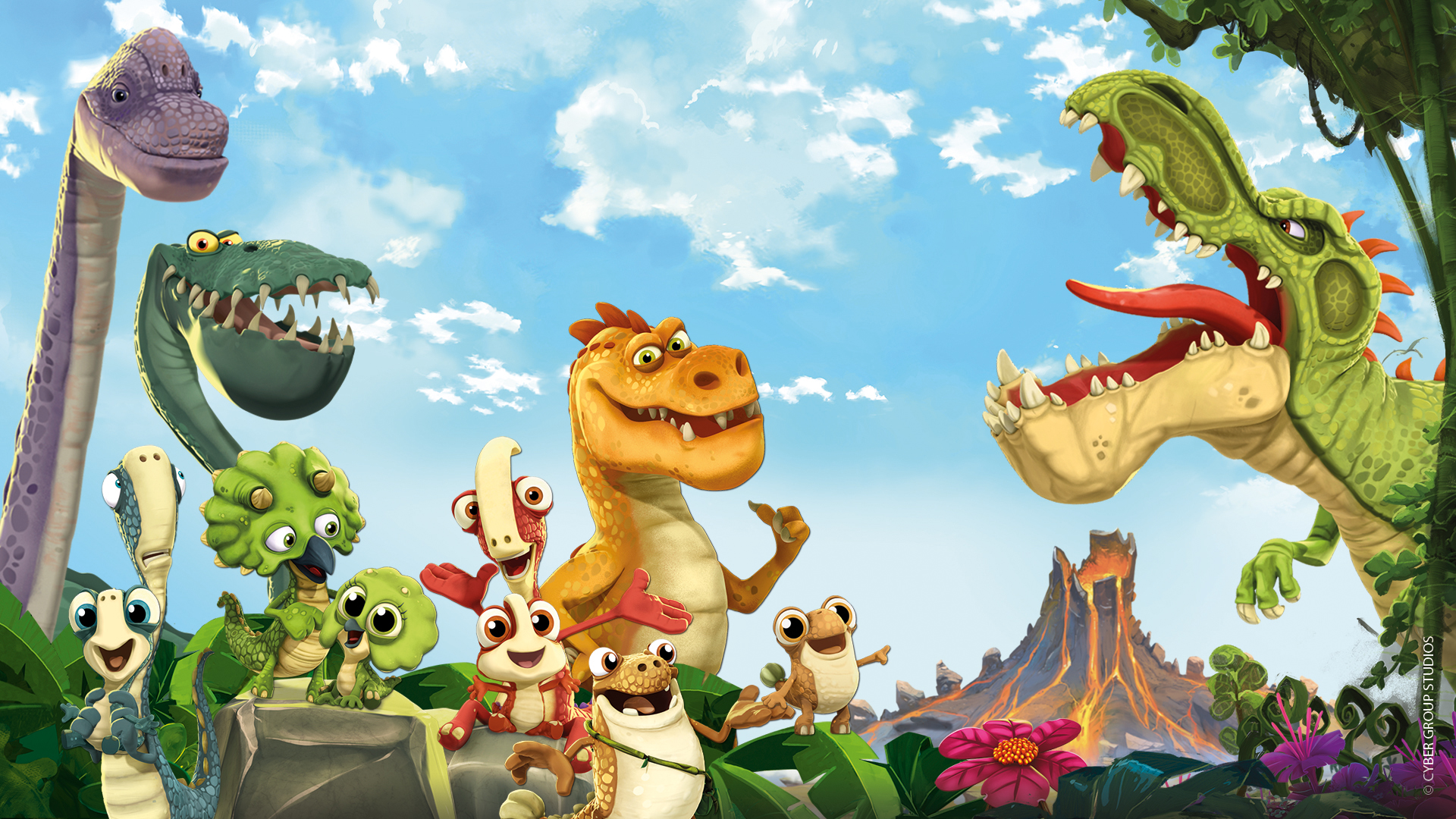
Gigantosaurus – Cyber Group Studios
In pursuit of a more inclusive representation of viewers, Lucia Geraldine Scott, a producer at Red Monk Studio, predicts that the industry “will increasingly move toward integrating digital phenomena into the production of audiovisual content, which will inevitably lead to the creation of products capable of overcoming barriers of gender and social status.”
BEYOND THE SCREEN: THE RISE OF INTERACTIVE CONTENT
In other words, viewers are taking an increasingly less passive role in the face of entertainment, becoming active participants in content, giving way to the third major trend of the year: interactivity.
“The digital and interactive environment on a global level has become the indispensable way to connect with audiences,” explains Carlos Biern, Content & Media Sales Director of DeAPlaneta Kids & Family. “The goal is to generate relevant content adapted to users wherever they are.”
A great ally in this journey are, without a doubt, new technologies, which “are redefining the way children interact with stories,” says María Bonaria Fois, president of Digitoonz Spain. “More immersive and interactive formats are transforming passive consumption into a participatory experience.”
“The industry is also seeing a surge in interactive content due to the growing popularity of podcasts, video platforms, and immersive experiences like virtual and augmented reality,” adds Manoj Mishra, CEO and Managing Director of Powerkids.
“As creators, we must tap into the zeitgeist and engage with cultural trends in real time. Today’s kids consume content interactively, so linear episodes alone are no longer enough,” advises Lizzie Jones, producer of Piranha Bar. “To engage younger generations in the coming years, animated content will need to be interactive and immersive, adaptable, and scalable,” adds Hugo Brochard, International Sales Manager at Superights.
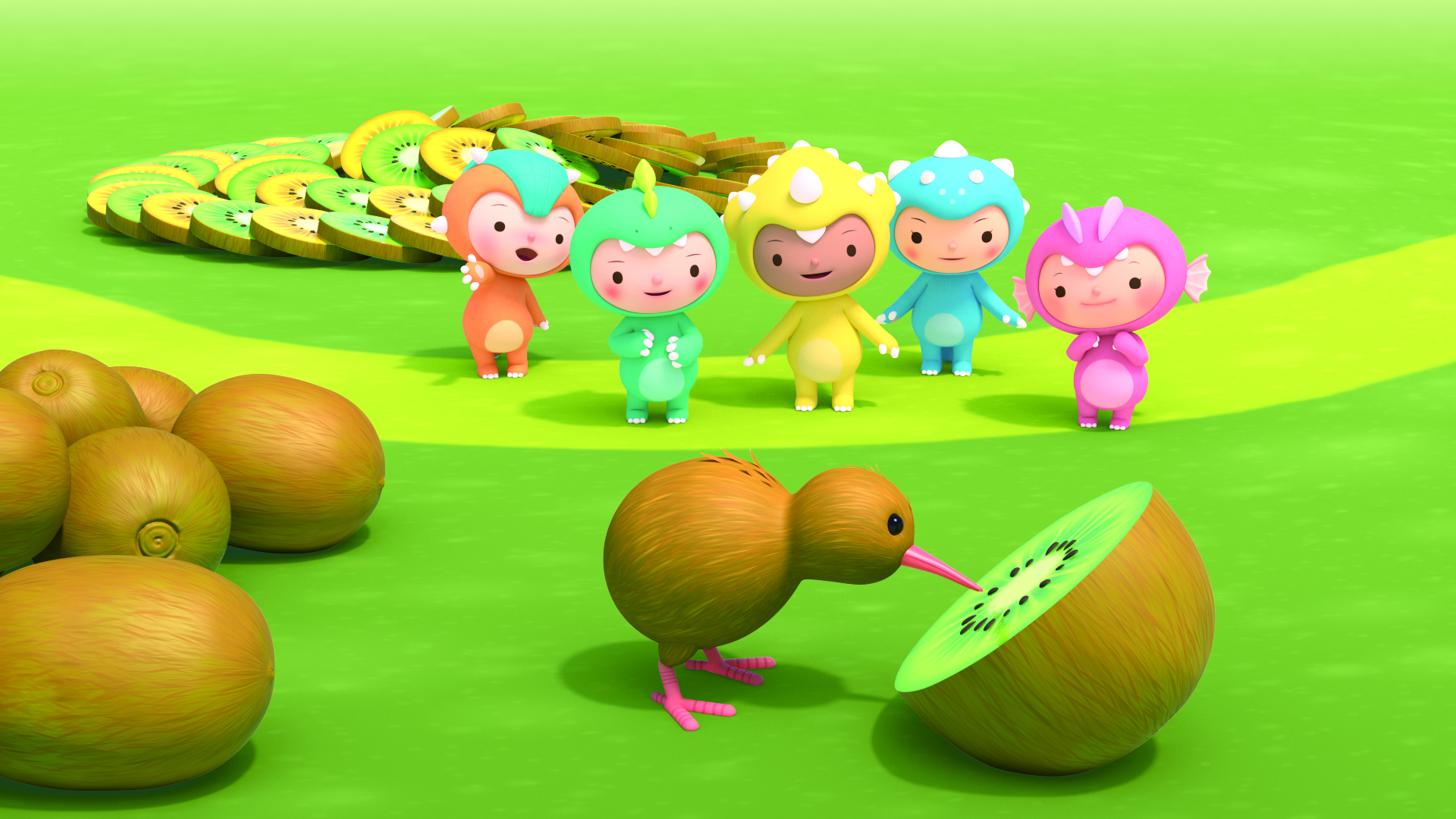
PongPong Dino – Dandelooo
In this regard, Migdalis Silva, VP, Brand Head for Nickelodeon Latin America, predicts: “Multiplatform productions, which combine series with video games and interactive digital experiences, are setting the pace. Looking ahead, we expect a boom in genres such as adventure, science fiction, comedy, and ecology, always with an innovative approach.”
“In 2025, personalization remains a strong trend: kids interact with content where, when, and how they want, often in shorter periods of time and across multiple platforms,” summarizes Luke Field, General Manager of Commercials for The Wiggles.
ARTIFICIAL INTELLIGENCE AND THE CREATOR ECONOMY
In this quest to connect with their audiences, content creators are increasingly relying on one of the tools that has gained the most ground in recent years: Artificial Intelligence, which not only helps streamline content creation, but also reduces costs and democratizes production.
“In terms of trends, AI will accelerate rapidly, playing a role in optimizing channels and making budgets more efficient, as well as helping creators create their own content,” highlights Oliver Ellis, Deputy CEO of Hoho Entertainment.
“Thanks to rapidly evolving new production technologies, producers can generate creative ideas to produce incredible programs at a lower cost. With advancements in AI, we will see more specialized and personalized content emerge,” adds Emre Aksoy, Chief Commercial Officer of Fauna Entertainment.
“AI will improve efficiency across all facets of our industry, helping us work more effectively -not just in animation and production, but in every aspect of our business, from streamlining workflows to reducing budgets and timelines- allowing us to deliver high-quality content more quickly and efficiently,” explains Anna Pokorska, Sales Manager at CAKE Distribution.
TRAVELING WITH THE POWER OF BIG IPs
Optimizing costs and production models is especially important in these uncertain times for the entertainment industry in general, and has led to a search for solutions and guarantees when creating content, especially for children, where big-name IPs seem to be the most popular option.
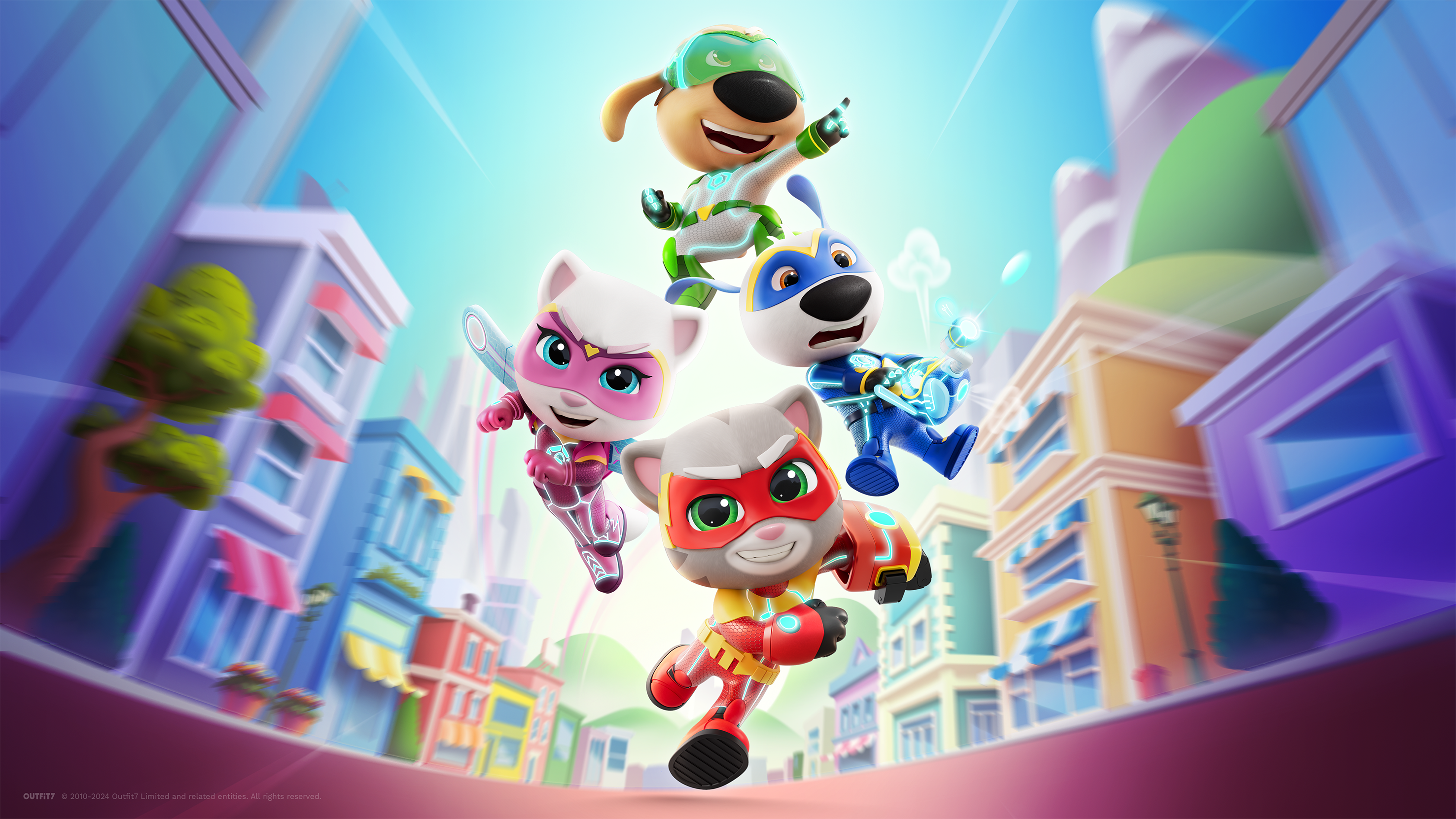
Talking Tom Heroes – Cake Distr
“The children’s content industry is more competitive than ever, with limited discoverability and reduced licensing budgets making it increasingly difficult for new series to stand out. Given these challenges, it’s increasingly important to rely on established IPs that come with built-in audience awareness or strong marketing potential,” emphasizes Joss Duffield, VP of Distribution at 9 Story Media Group.
“I think the market will remain conservative and continue to favor well-known IPs for major television projects,” adds Ivan Agenjo, CEO and Executive Producer of Peekaboo Animation, “especially when it comes to content that lives in the digital world or on AVOD platforms.”
The VOD universe is now a must for children’s content, which must be able to transcend the traditional TV screen and expand into other spaces, adapting to new consumer habits.
“The children’s audiovisual industry has been undergoing a profound transformation for some time now, marked by changing consumer habits, audience fragmentation, and the pressure to maximize the performance of each production. Streaming platforms have introduced a new logic: it’s no longer just about broadcasting content, but about building sustainable narrative universes, where each title can expand, build loyalty, and become a brand,” says Begoña Esteban Montero, Director of International TV Sales and Acquisitions at Pink Parrot Media.
“The children’s content industry is evolving rapidly, with the continued rise in VOD consumption and cuts in commissions, which means producers and distributors need to diversify their strategies and offerings to stand out in the market,” says Safaa Benazzouz, Executive Vice President of Distribution at Xilam Animation.
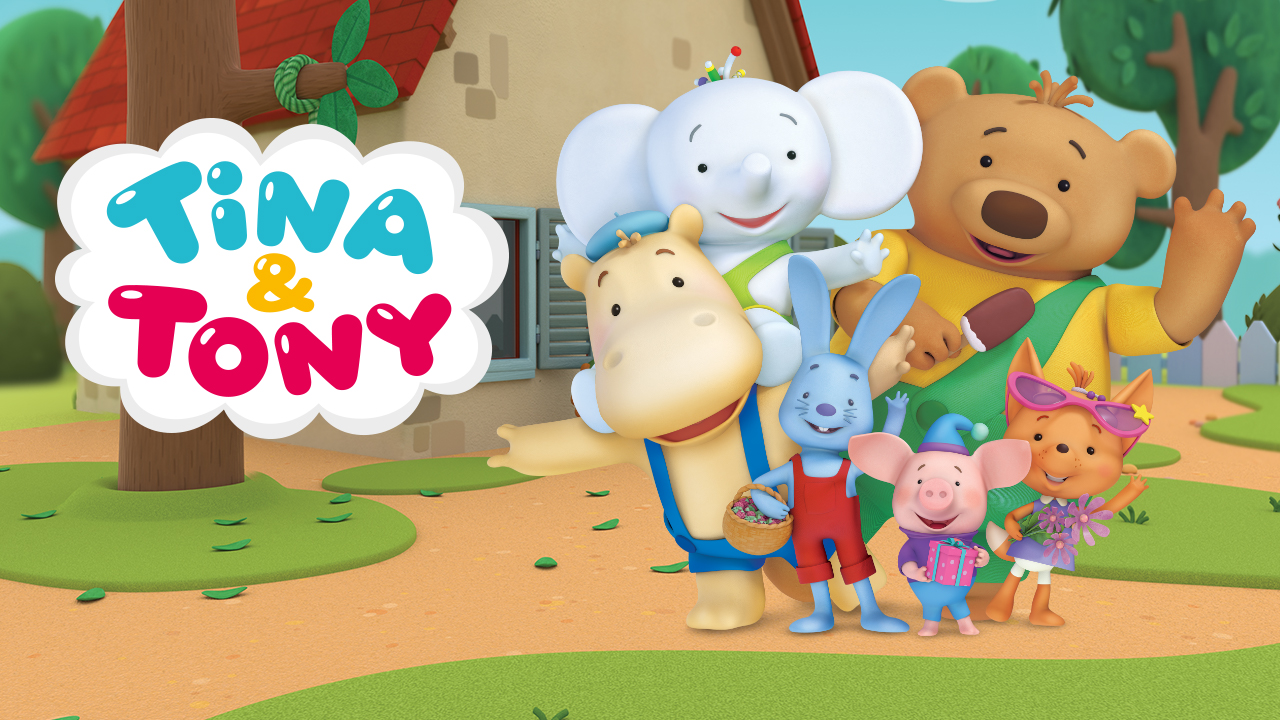
Tina & Tony – Animotion Media Group
That being the case, some people haven’t lost hope that the industry will return to its former glory days. “The current situation is a very difficult and challenging market. Fewer commissions, fewer acquisitions in both the linear and non-linear sectors. However, children aren’t going to stop watching screens and animated series. That’s why I believe in the recovery of our industry; we just have to hang on long enough and remain creative and innovative in all aspects of our industry,” encourages Raphaëlle Mathieu, COO of Cyber Group Studios.
THE ROAD AHEAD
In short, the children’s content landscape in 2025 reflects an industry undergoing a transformation, where the combination of education and entertainment, inclusion, interactivity, and new technologies, converge to respond to the new habits and expectations from kids and families. The challenges of a competitive and fragmented market coexist with enormous creative and technological opportunities, allowing for the creation of increasingly diverse, accessible, and meaningful offerings.
The future of the sector will depend on its ability to innovate without losing sight of its essential mission: to offer new generations safe, enriching experiences capable of inspiring their curiosity, empathy, and connection with the world.